


Tratamientos
Bruxism
What is bruxism?
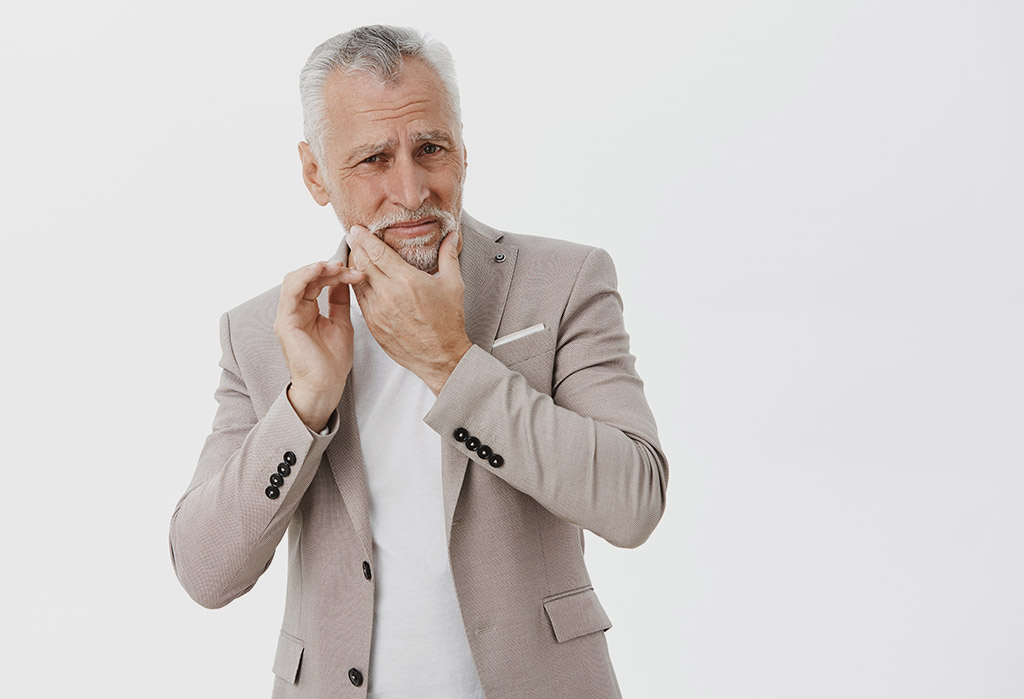
Bruxism is an involuntary habit, occurring during the day or night, that consists of clenching, grinding, and/or clenching the teeth. In most cases of bruxism, it occurs while we sleep, so many people are unaware of it, although it can also occur while we are awake, which facilitates its detection and treatment.
This habit has a
What are the causes?
The causes of involuntary teeth grinding are varied, as its origin is unclear and can be found in external, internal, or psychological factors. Some of the most common causes are dental malocclusion, stress, periodontal disease, and dietary, postural, or sleep habits.

Consequences of bruxism
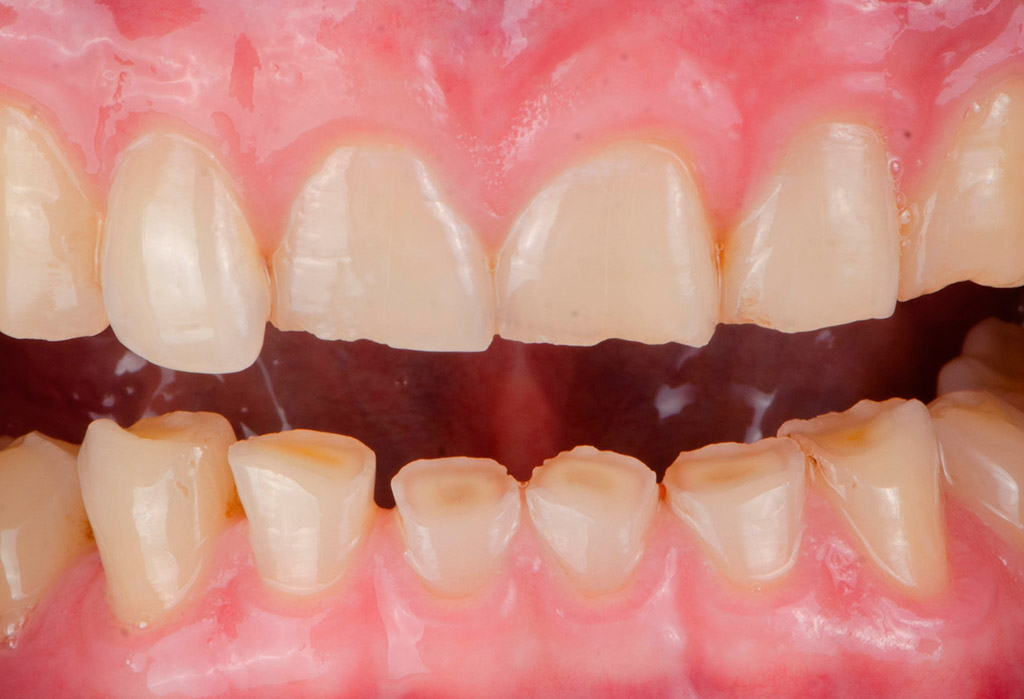
Bruxism triggers a series of negative consequences for the person who suffers from it, which is why it is very important to be aware of the following symptoms:
- Tooth sensitivity and wear, this is the most common problem.
- Fractures of natural teeth, prostheses, implants or restorations.
- Tooth mobility, as the periodontium loosens.
- Pulp damage due to constant trauma to the tooth.
- Neck muscle problems.
- Swollen, weakened, or receding gums.
- Difficulty chewing hard foods.
- Noises or crackling sounds when chewing.
- Ear pain or ringing.
- Insomnia or difficulty sleeping.
Consequences of bruxism
Bruxism triggers a series of negative consequences for the person who suffers from it, which is why it is very important to be aware of the following symptoms:
- Tooth sensitivity and wear, this is the most common problem.
- Fractures of natural teeth, prostheses, implants or restorations.
- Tooth mobility, as the periodontium loosens.
- Pulp damage due to constant trauma to the tooth.
- Neck muscle problems.
- Swollen, weakened, or receding gums.
- Difficulty chewing hard foods.
- Noises or crackling sounds when chewing.
- Ear pain or ringing.
- Insomnia or difficulty sleeping.
Treatments for bruxism
Occlusal plate or splint
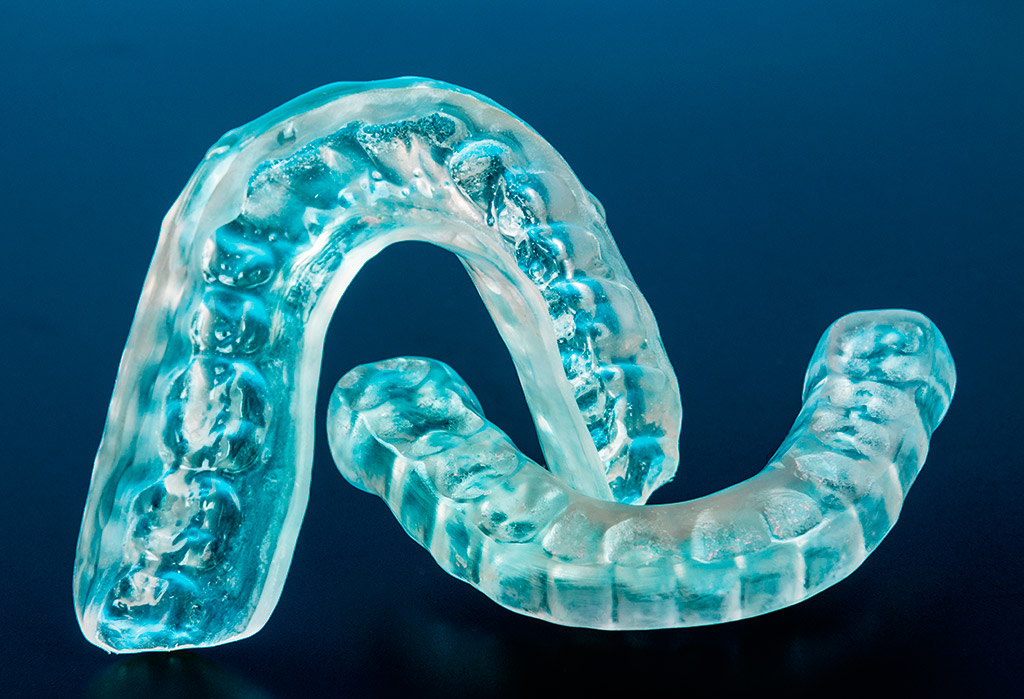
A bite guard is a transparent device that fits in the mouth and helps alleviate the problems caused by bruxism (teeth grinding). Its main function is to protect the teeth by cushioning the pressure and unconscious grinding motion of patients with bruxism.
Dental veneers
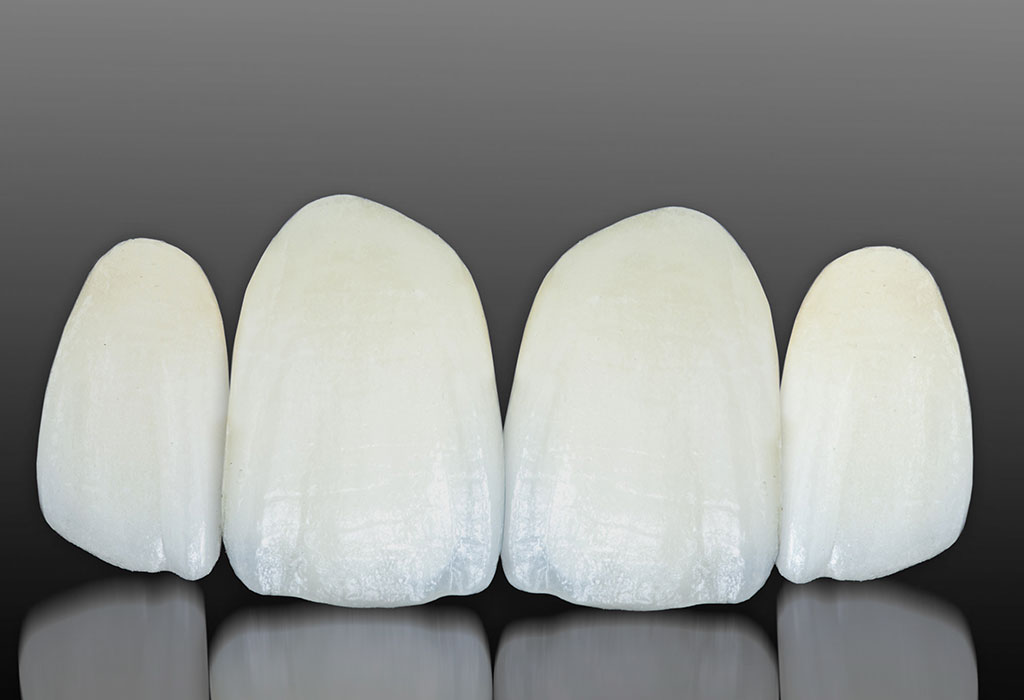
Dental veneers address the negative effects of bruxism in terms of tooth wear and deterioration. They are dental restorations made with highly resistant materials and finished to a completely natural aesthetic. They fill in the worn areas of the teeth and improve overall dental aesthetics.
Orthodontics
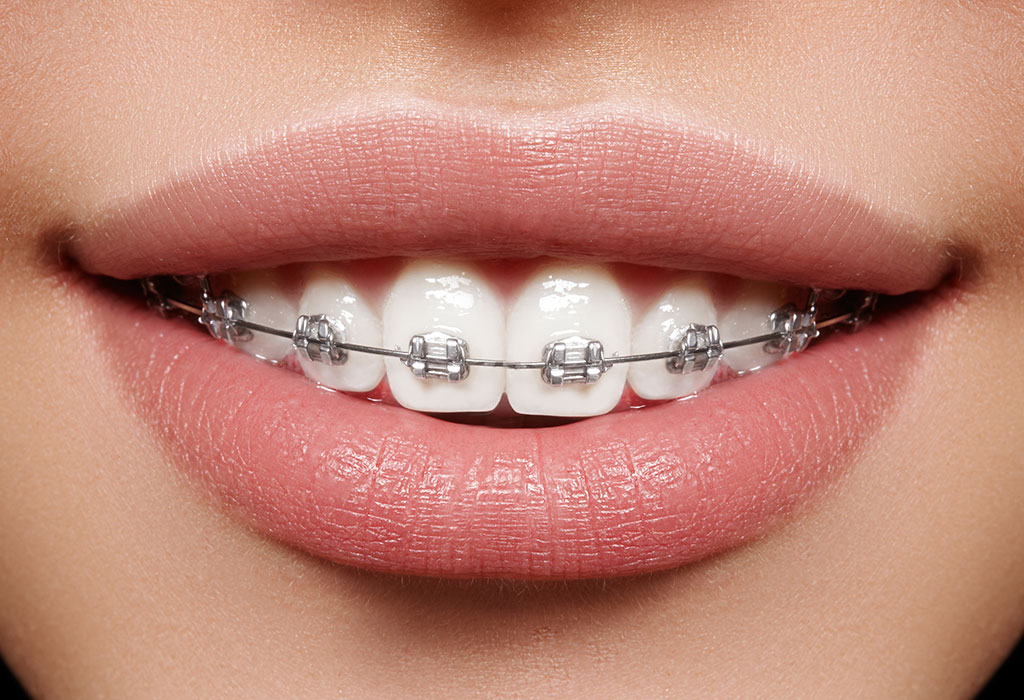
When bruxism is clearly caused by malocclusion or a crossbite, the dentist will recommend orthodontic treatment. With properly aligned teeth, the pressure they exert on the jaw will return to normal.
Psychology

Bruxism has many different causes, which can be physical or psychological. Finding the root of the problem if you feel anxiety or stress can help you address the bruxism issue; seeking psychological counseling is recommended.