


Tratamientos
Periodontics
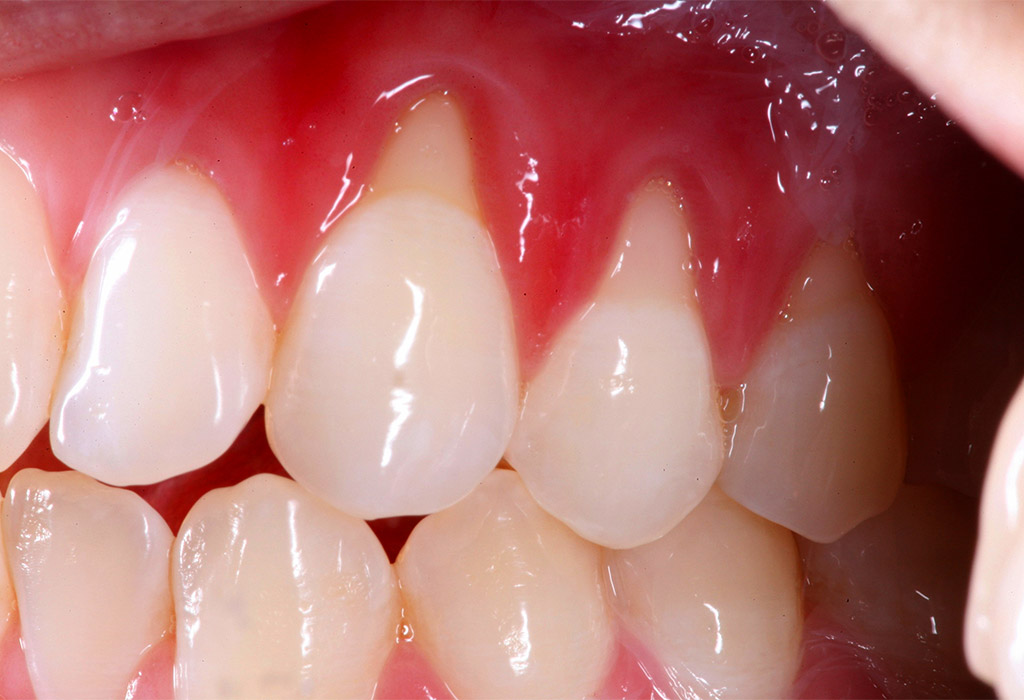
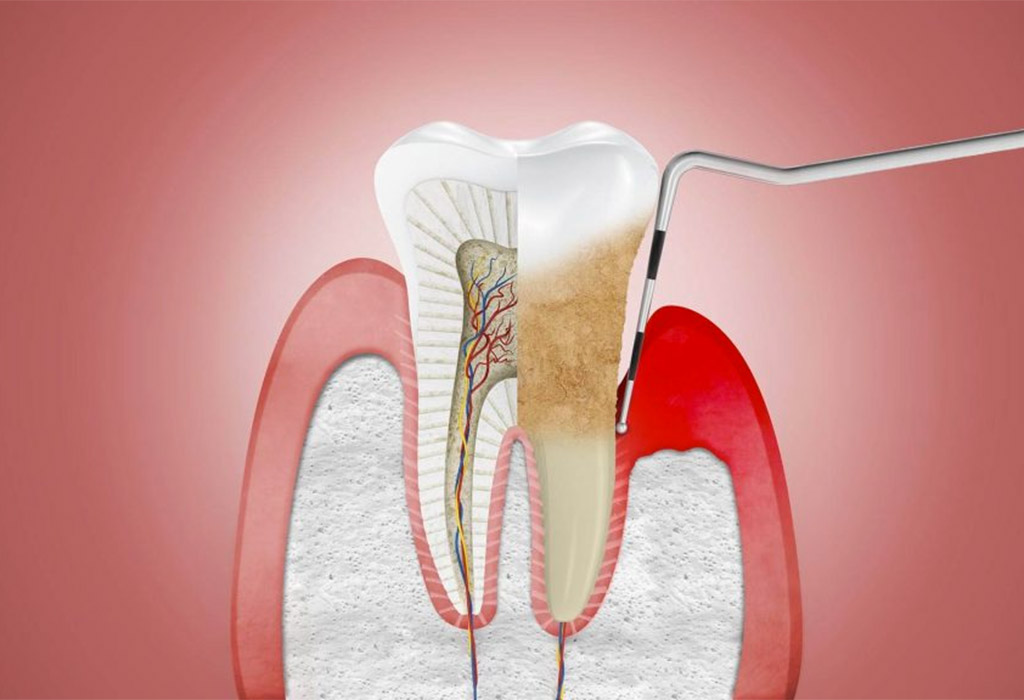
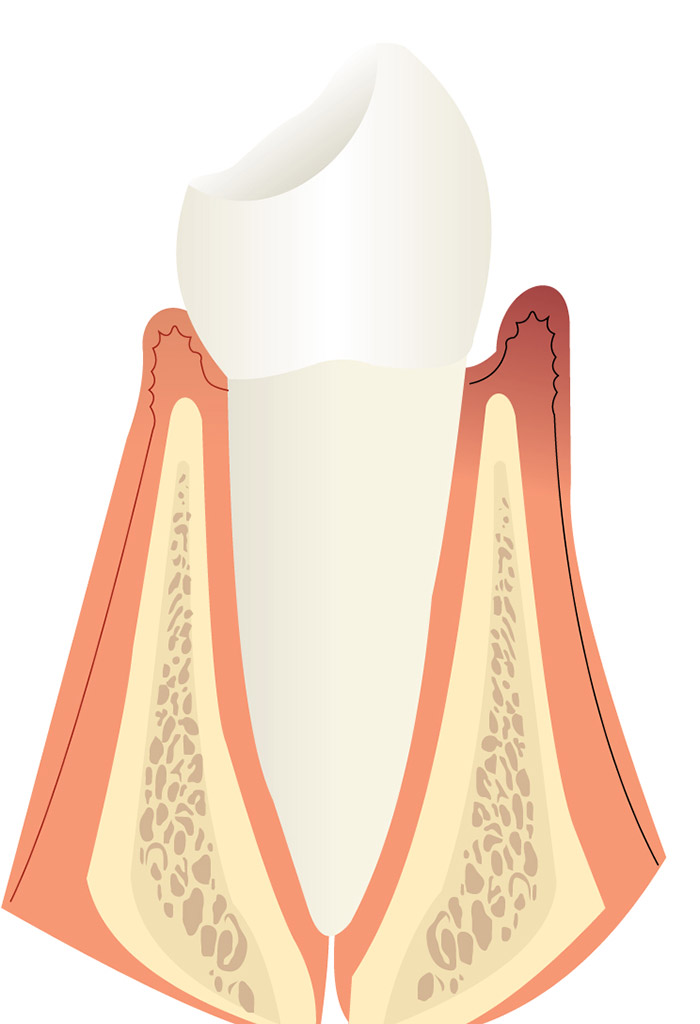
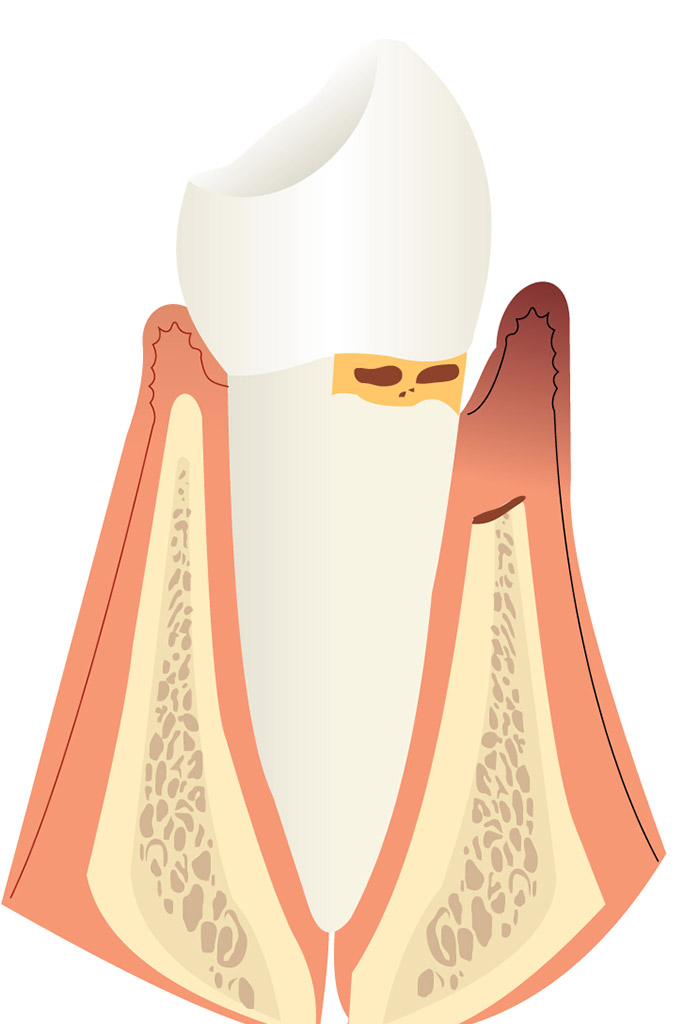
Periodontics is the specialty that studies the prevention, diagnosis, and treatment of diseases and conditions affecting the tissues that support the teeth (gums, periodontal ligament, root cementum, and alveolar bone) and dental implants. Periodontal disease, whether gingivitis (inflammation and bleeding of the gums without affecting the bone) or periodontitis (where destruction of the supporting bone occurs), can ultimately lead to tooth loss.
Diagnosis
Changes in color, size, or consistency of the gums are important indicators of gingival alteration, as are spontaneous bleeding, tooth mobility and migration, bad breath, pain when chewing, abscesses, or heavy bleeding.
Early diagnosis is a necessary condition to slow its progression.
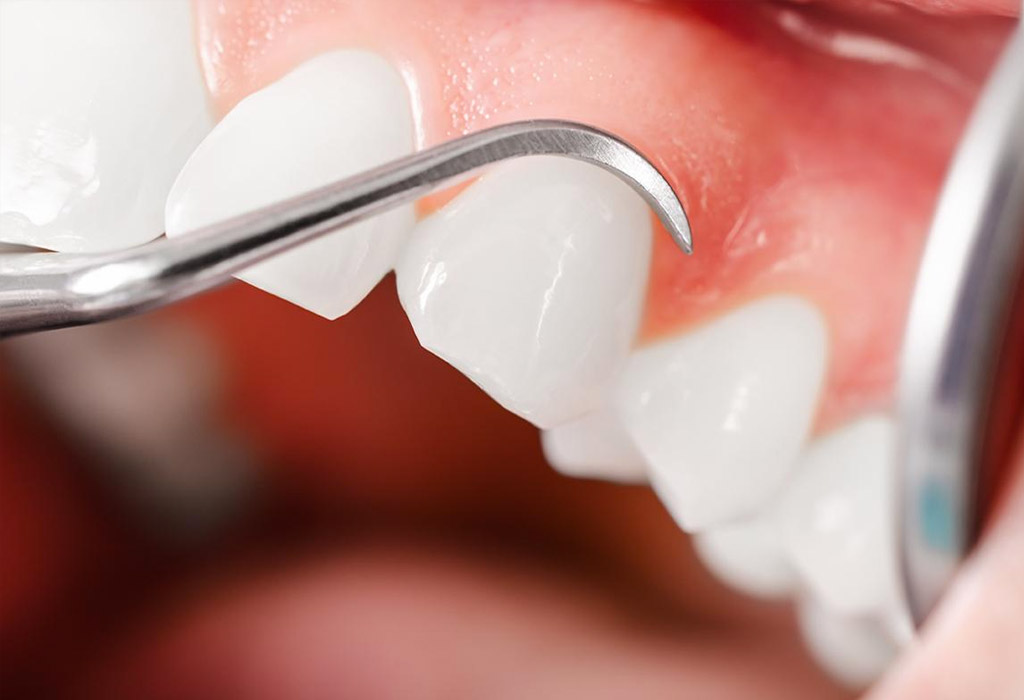
The measurement is taken using a periodontal probe. Dentists use this probe to determine the depth of periodontal disease and bone loss.
Evolution from gingivitis to periodontitis
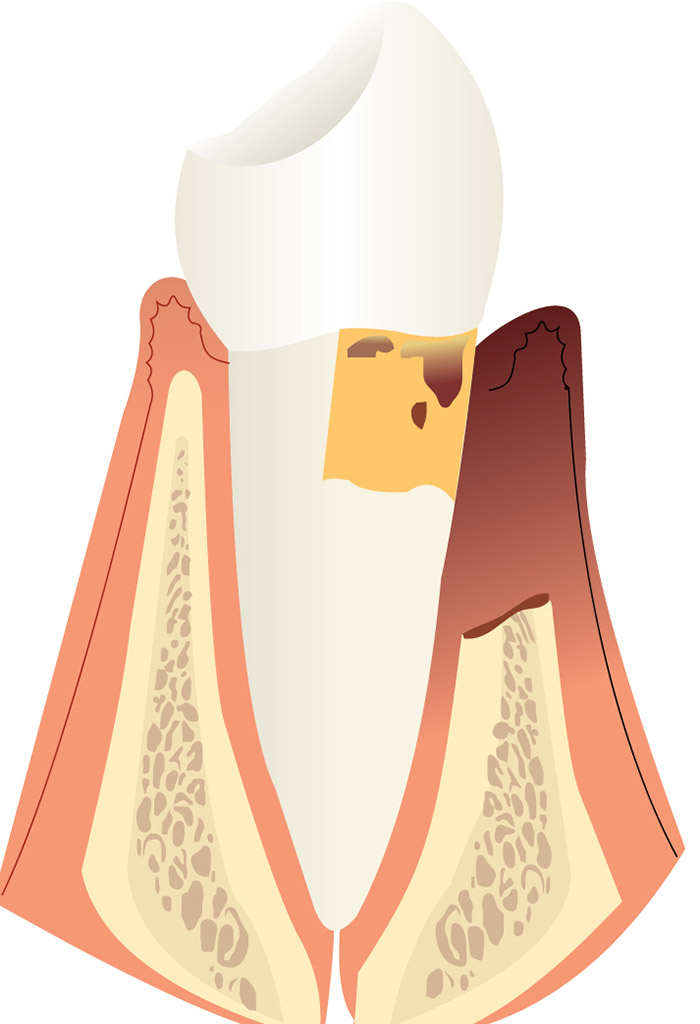
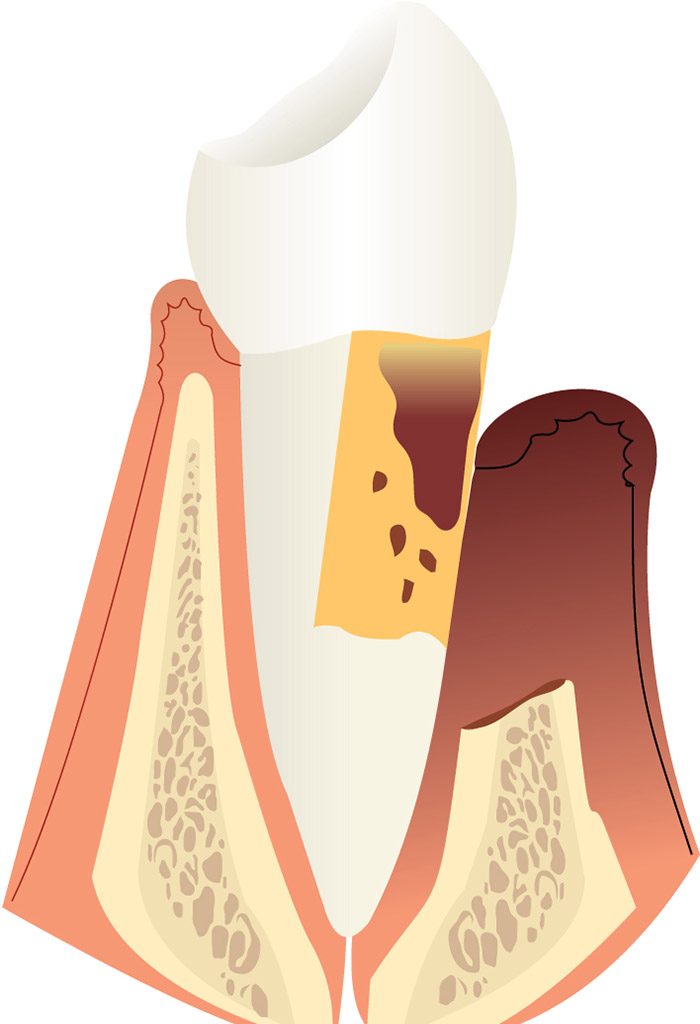
Treatment
Deep cleaning of teeth and gums to eradicate the bacteria that cause this disease. Removal of bacterial biofilms:
Mechanical: Coronal scaling or plaque removal and maintenance therapy for long-term control of periodontal diseases.
Antibiotic: Amoxicillin plus clavulanic acid at high doses can be considered a good choice of anti-infective treatment.
Surgical: In severe cases where the depth of the pockets limits visibility and access.
Massage: Regularly massaging the gums and teeth with your own fingers is a popular and widespread practice. However, it is not recommended by dentists.
Prevention
It is very important to consult your dentist at the first sign of inflammation or tartar buildup, as this is where a colony of microorganisms (tartar or calculus) easily adheres.
Controlling microbial biofilm and removing dental calculus regularly is the correct way to prevent a disease that eventually loosens teeth, even if they appear healthy.
Bleeding gums, even if only during brushing, should not be considered normal; discuss it with your dentist.