

Tratamientos
Orthodontics
This specialty focuses on the study, prevention, diagnosis, and treatment of abnormalities in the form, position, relationship, and function of the dentomaxillofacial structures. It involves preventing, diagnosing, and correcting these alterations through the use and control of various types of forces.
Guys
Depending on the type of forces applied, patients often require both techniques to resolve their dental problems. There are two dentomaxillofacial phases:
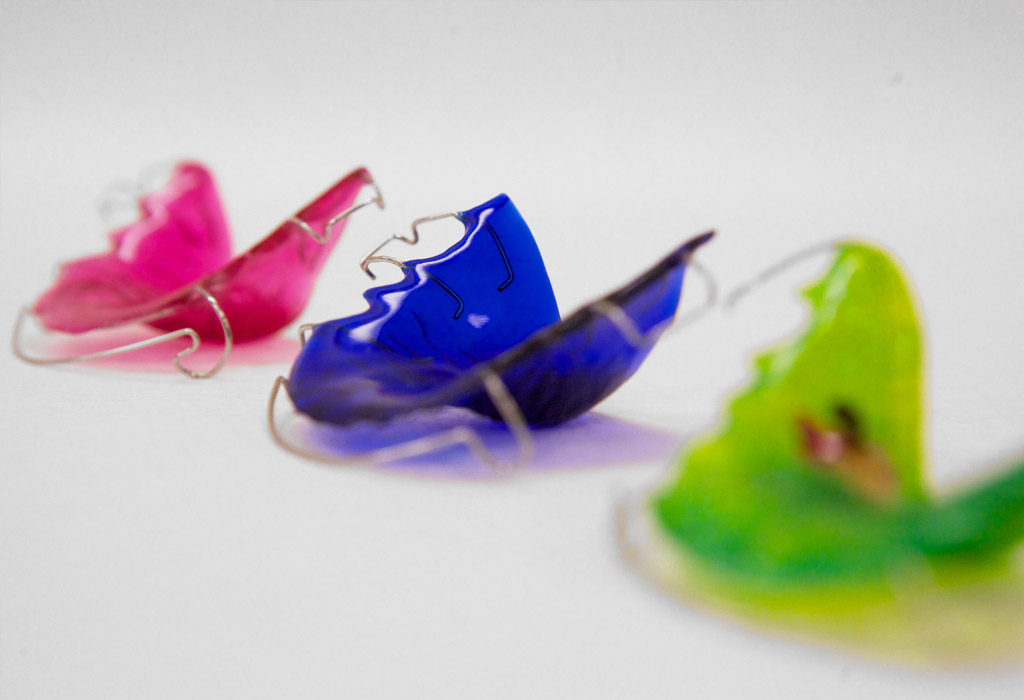
- Removable: These appliances are made at an early age with a primarily interceptive or orthopedic purpose, allowing the patient to remove them from the mouth. They correct some simple malocclusions at a lower cost and with less discomfort for patients. They are used in the primary dentition, where certain pathological conditions can be corrected.
- Fixed: performed at an older age using appliances of elements attached to the teeth to which thin elastic metal arches are anchored by means of a set of ligatures.
Alterations
There are a number of common alterations, these are:
- Prognathism. Defines a forward position of the bone or teeth.
- Retrognathism. Define a delayed position to the position of the bone or teeth.
- Open bite. When the upper teeth make contact with the lower teeth, a space remains between them, making it difficult to seal the lips.
- Crossbite. When biting, the upper teeth end up biting inside the upper teeth.
- Edge-to-edge bite. When biting, the cusps make contact edge to edge.
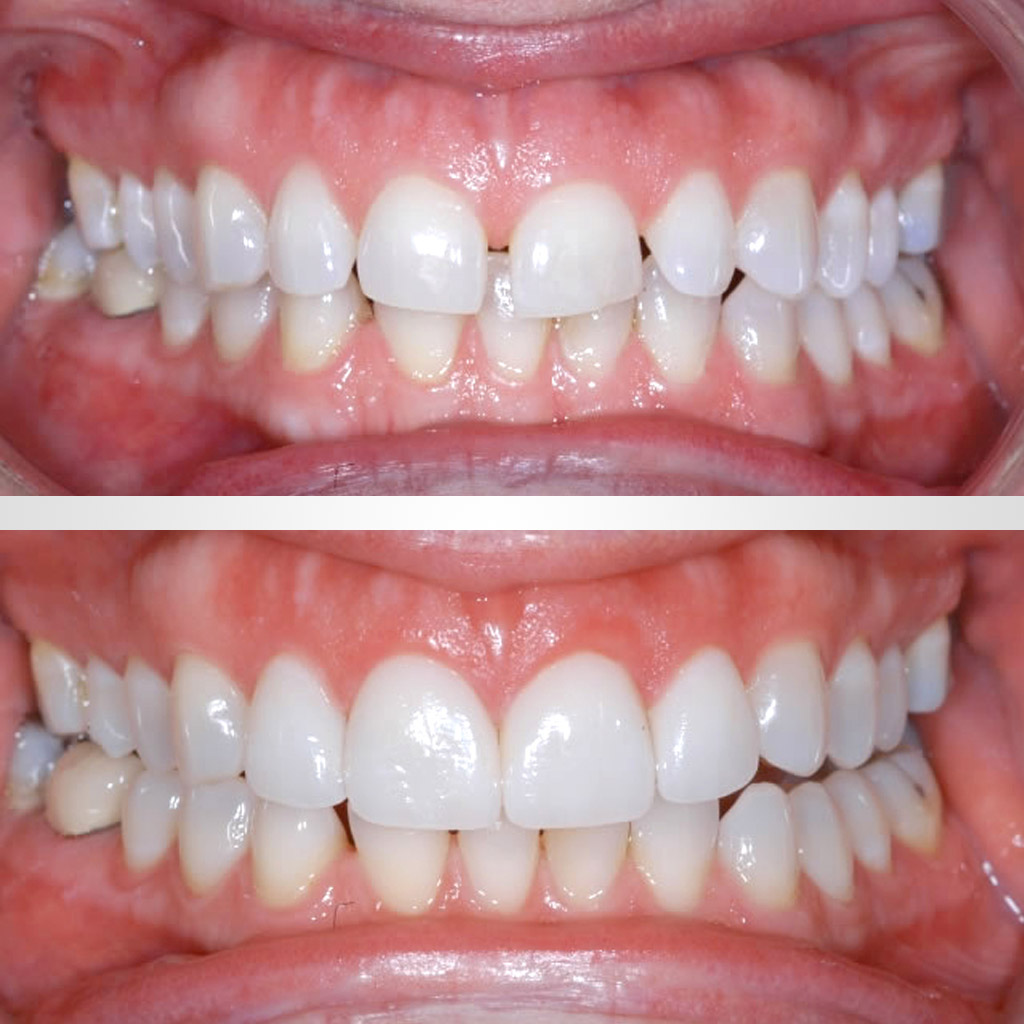
- Diastemas. Spaces between the teeth.
- Covered bite. The upper teeth cover the lower teeth by more than half or completely.
- Collapse. It is a narrowing that causes there to be insufficient space to properly accommodate all the teeth.
This specialty focuses on the study, prevention, diagnosis, and treatment of abnormalities in the form, position, relationship, and function of the dentomaxillofacial structures. It involves preventing, diagnosing, and correcting these alterations through the use and control of various types of forces.
Guys
Depending on the type of forces applied, patients often require both techniques to resolve their dental problems. There are two dentomaxillofacial phases:
- Removable: These appliances are made at an early age with a primarily interceptive or orthopedic purpose, allowing the patient to remove them from the mouth. They correct some simple malocclusions at a lower cost and with less discomfort for patients. They are used in the primary dentition, where certain pathological conditions can be corrected.
- Fixed: performed at an older age using appliances of elements attached to the teeth to which thin elastic metal arches are anchored by means of a set of ligatures.
Alterations
There are a number of common alterations, these are:
- Prognathism. Defines a forward position of the bone or teeth.
- Retrognathism. Define a delayed position to the position of the bone or teeth.
- Open bite. When the upper teeth make contact with the lower teeth, a space remains between them, making it difficult to seal the lips.
- Crossbite. When biting, the upper teeth end up biting inside the upper teeth.
- Edge-to-edge bite. When biting, the cusps make contact edge to edge.
- Diastemas. Spaces between the teeth.
- Covered bite. The upper teeth cover the lower teeth by more than half or completely.
- Collapse. It is a narrowing that causes there to be insufficient space to properly accommodate all the teeth.
Invisalign
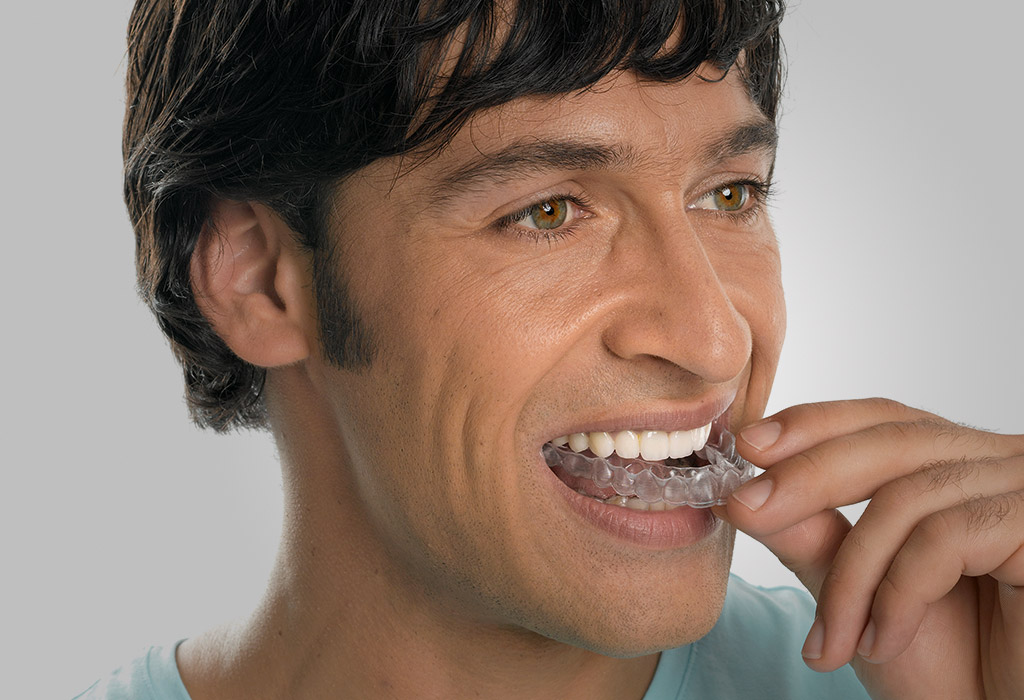
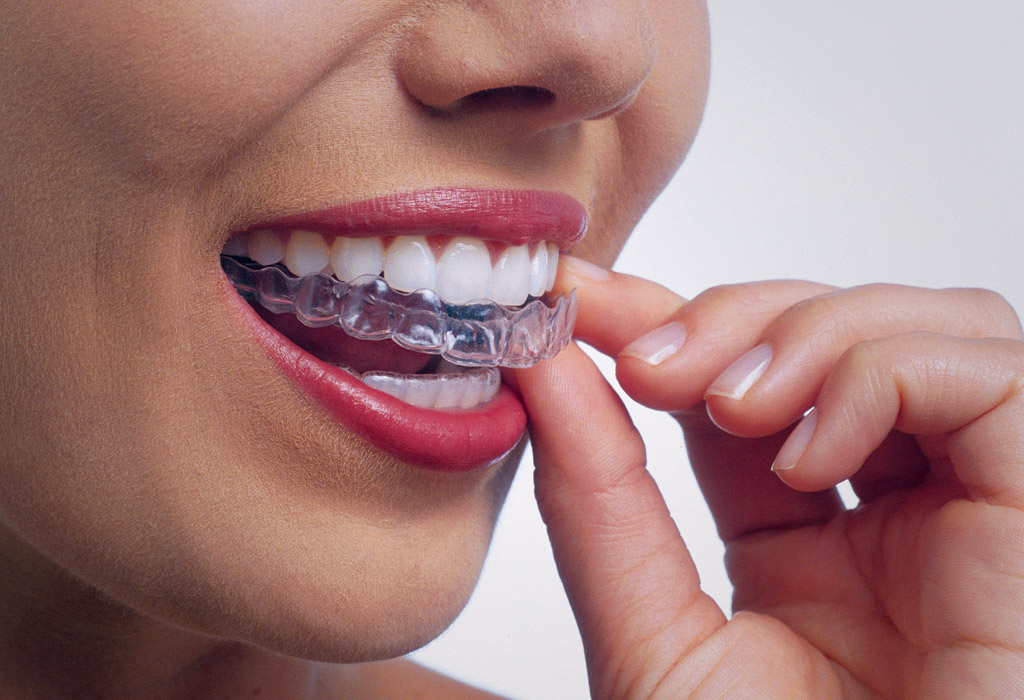
It's the most innovative invisible orthodontics. Transparent, flexible, and removable aligners that are changed periodically to gradually move your teeth into the desired position.
Conventional
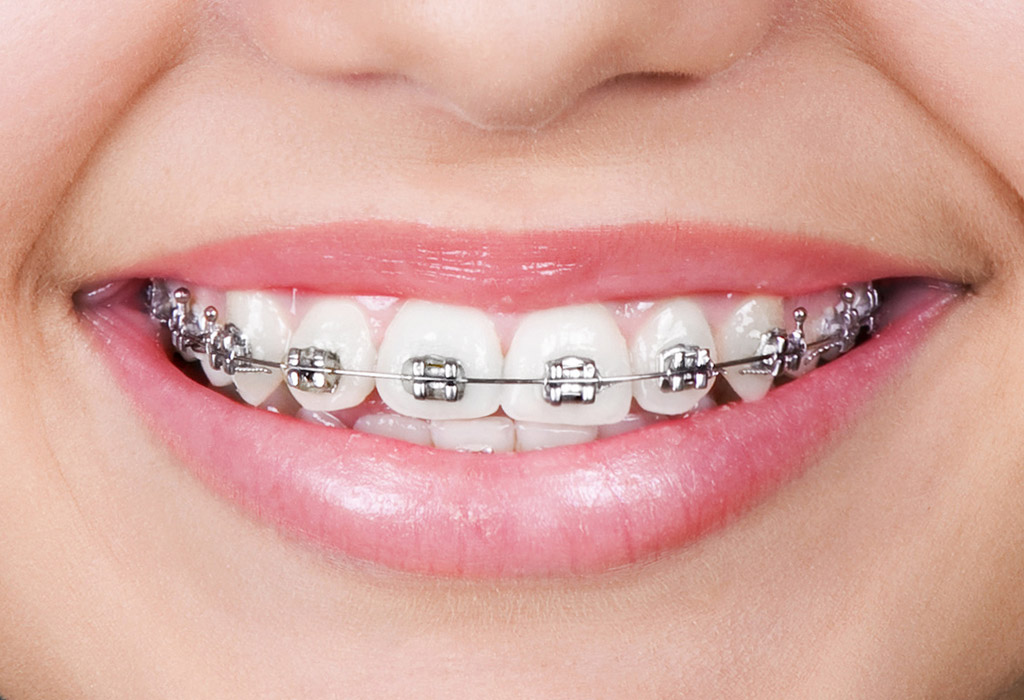
It's traditional orthodontics. Brackets and metal wires that gradually move the teeth using varying tension. Simple and affordable orthodontics.
Aesthetics
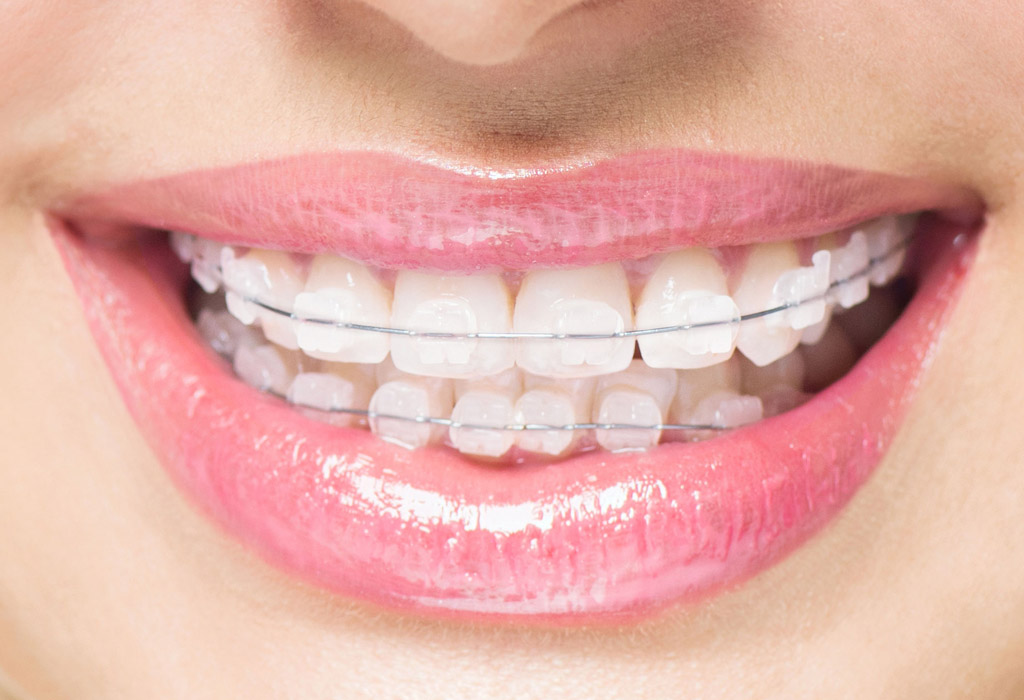
The same system as conventional metal braces, but with white brackets that blend in with the teeth. These can be ceramic or sapphire.
Children's
Corrective and retention orthodontics for children. Prevents deviations and alterations in the shape of the palate and jaw. Maintains interdental spaces until the new teeth erupt.