

Tratamientos
Dental veneers
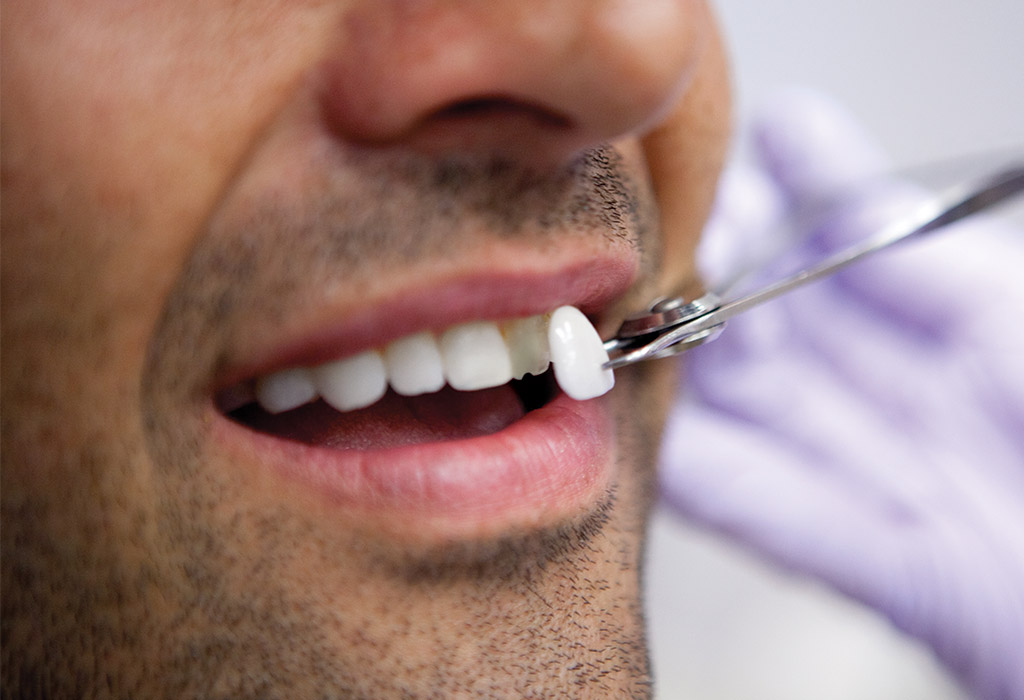

Composite veneers
These are restorative dental procedures that "mask" the visible surface in order to correct aesthetic or pathological problems of the teeth caused by dental caries, previous restorations, fractures, color changes or alterations of the tooth shape.
What are they used for?
Thin porcelain veneers are placed over the entire front surface of the teeth. They are bonded with a special adhesive. This conceals imperfections in the size or shape of the teeth.
There are 2 types of veneers:
- Porcelain veneers. Strong adhesion, abrasion resistance, and a great aesthetic appearance. They don't wear down, lose their shine, and maintain their color. A slight reduction in enamel is necessary, and at least two sessions are required.
- Composite veneers. They have the advantage of being more economical and preserving the enamel intact. They are done in a single session, freehand, by a specialist dentist. But over time they deteriorate, lose their shine, and can darken.
Duration
It depends on the patient's habits. Their average lifespan is about 12 years. Some veneers may fracture or become detached, but these can usually be repaired in one visit.
Composite veneers
These are restorative dental procedures that "mask" the visible surface in order to correct aesthetic or pathological problems of the teeth caused by dental caries, previous restorations, fractures, color changes or alterations of the tooth shape.
What are they used for?
Thin porcelain veneers are placed over the entire front surface of the teeth. They are bonded with a special adhesive. This conceals imperfections in the size or shape of the teeth.
There are 2 types of veneers:
- Porcelain veneers. Strong adhesion, abrasion resistance, and a great aesthetic appearance. They don't wear down, lose their shine, and maintain their color. A slight reduction in enamel is necessary, and at least two sessions are required.
- Composite veneers. They have the advantage of being more economical and preserving the enamel intact. They are done in a single session, freehand, by a specialist dentist. But over time they deteriorate, lose their shine, and can darken.
Duration
It depends on the patient's habits. Their average lifespan is about 12 years. Some veneers may fracture or become detached, but these can usually be repaired in one visit.
White fillings
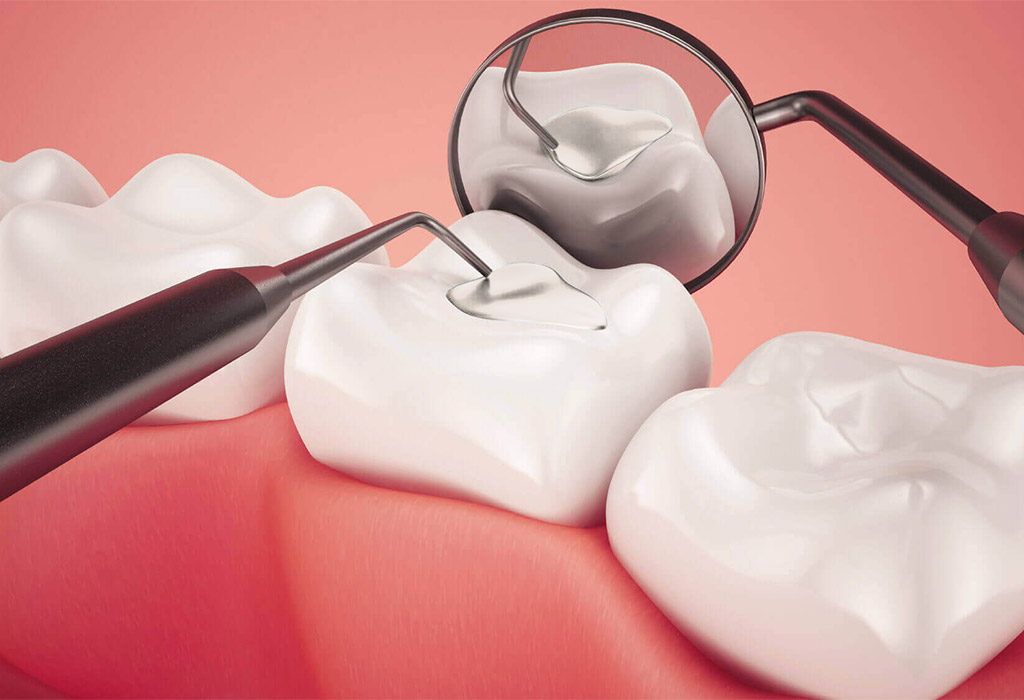
They are made of resin, a synthetic material that hardens after exposure to a halogen light. They can be used on any tooth, from filling small cavities to reconstructing completely destroyed teeth. They are contraindicated for teeth severely worn down by grinding.
Occasionally, during the first few days, the patient may experience increased sensitivity to very cold or very hot foods. The duration of this sensitivity varies depending on the patient's habits. The average lifespan of this type of filling is usually about 10 years.